
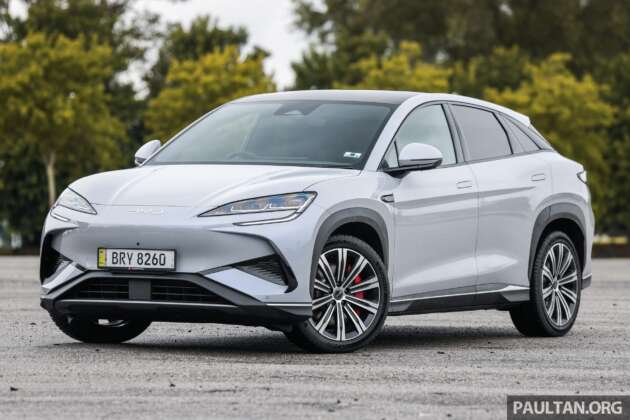

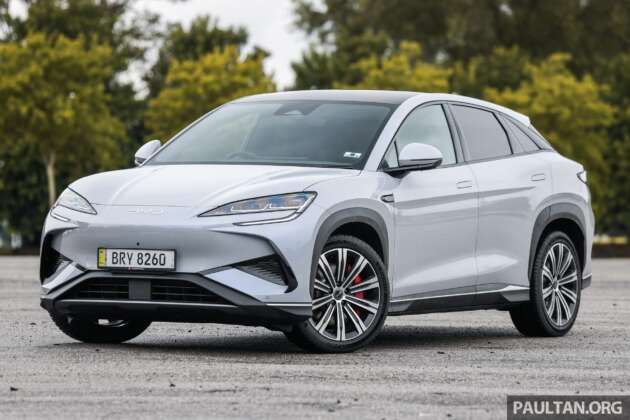
When the BYD Sealion 7 launched in Malaysia in November 2024, it gave the brand a proper coupe-styled electric SUV to take the fight to the Tesla Model Y. More than a year on, it remains BYD’s premium SUV flagship here. Let’s take a fresh look in 2026 at what the Sealion 7 offers, what it costs, and who it’s for.
This is our updated buyer’s guide to the BYD Sealion 7 for the Malaysian market: full spec sheet, variants, the all-important range and charging numbers, and the things you should factor into your decision today.
What is the Sealion 7?
The Sealion 7 is a fully-imported (CBU) battery-electric SUV – BYD’s electric answer to the Model Y, and the SUV counterpart to the Seal sedan. It first broke cover as the Sea Lion 07 when it debuted in China in late 2023, before entering Europe and then arriving here.
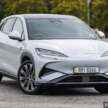
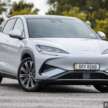
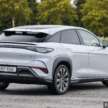
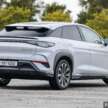
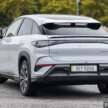
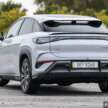
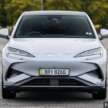
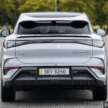
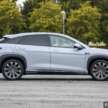
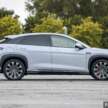
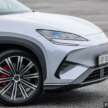
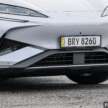
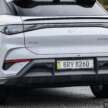
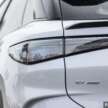
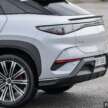
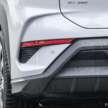
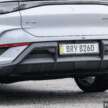
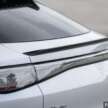
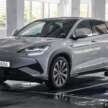
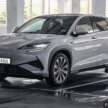
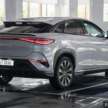
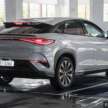
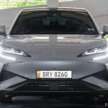
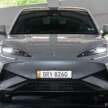
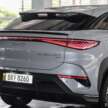
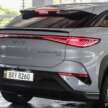
Despite the “Sealion” name it shares with the Sealion 6 DM-i plug-in hybrid, this is a very different, more rakish machine – a long, low coupe-SUV closer in spirit to BYD’s Song L. The design is the work of ex-Audi designer Wolfgang Egger, and it borrows heavily from the Seal: C-shaped LED headlights, large air intakes, full-width through-type LED tail lights and a prominent rear diffuser.
It rides on BYD’s e-Platform 3.0 with the brand’s signature cell-to-body Blade LFP battery construction. Note that the more advanced e-Platform 3.0 Evo with an 800-volt architecture and a larger 91.3 kWh battery is reserved for Europe – Malaysia, like Hong Kong, gets the 82.56 kWh, 400-volt version.
Variants, pricing and the spec sheet
There are two variants, both fully-imported, at prices that have held steady since launch:
– Sealion 7 Premium (RWD) – RM183,800
– Sealion 7 Performance (AWD) – RM199,800

| Specification | Premium (RWD) | Performance (AWD) |
|---|---|---|
| Price | RM183,800 | RM199,800 |
| Layout | Single rear motor, RWD | Dual motor, AWD |
| Total power | 313 PS (230 kW) | 530 PS (390 kW) |
| Total torque | 380 Nm | 690 Nm |
| 0-100 km/h | 6.7 seconds | 4.5 seconds |
| Battery | 82.56 kWh Blade LFP | 82.56 kWh Blade LFP |
| Range (NEDC) | 567 km | 542 km |
| Range (WLTP) | 480 km | 454 km |
| Charging time | 10-80% in 32 min | 10-80% in 32 min |
| DC charging | Up to 150 kW | Up to 150 kW |
| AC charging | 11 kW | 11 kW |
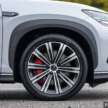
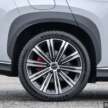
| Wheels | 19-inch | 20-inch |
| Front tyres | 235/50 R19 Continental EcoContact 6 | 235/45 R20 Michelin Pilot Sport EV |
| Rear tyres | 255/45 R19 Continental EcoContact 6 | 235/45 R20 Michelin Pilot Sport EV |
| Brake calipers | Standard | Red |
| Vehicle warranty | 6 years / 150,000 km | 6 years / 150,000 km |
| Battery warranty | 8 years / 160,000 km (≥70% SoH) | 8 years / 160,000 km (≥70% SoH) |
| Drive unit warranty | 8 years / 150,000 km | 8 years / 150,000 km |
Powertrain and performance
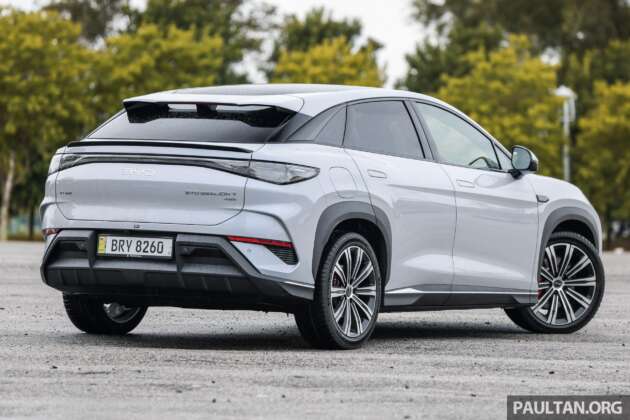
The Premium is rear-wheel drive, with a single rear motor making 313 PS (308 hp/230 kW) and 380 Nm – enough for a 0-100 km/h time of 6.7 seconds, which is plenty brisk for everyday use.
The Performance adds a front motor (218 PS/310 Nm) for all-wheel drive and a combined 530 PS (523 hp/390 kW) and 690 Nm. That drops the century sprint to a genuinely quick 4.5 seconds. If those figures sound familiar, they’re the same outputs as the equivalent Seal sedan variants.
For most buyers, the rear-drive Premium is the sweet spot – it’s RM16,000 cheaper, has the longer range, and is far from slow. Step up to the Performance only if you specifically want the dual-motor traction and the sub-five-second acceleration.
Battery, range and charging
Both variants share an 82.56 kWh Blade lithium iron phosphate (LFP) battery. BYD Malaysia markets NEDC range figures – 567 km for the Premium and 542 km for the Performance – but the more realistic WLTP numbers are 480 km and 454 km respectively. Either way, the lighter, single-motor Premium goes furthest.
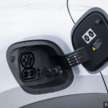
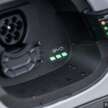
Charging tops out at 150 kW DC, taking the battery from 10 to 80% in 32 minutes, while AC charging is rated at 11 kW (an improvement over the Seal’s 7 kW). It’s worth being clear-eyed here: this is the 400-volt e-Platform 3.0 car, so it doesn’t get the 230 kW fast-charging or 800-volt architecture of the European 91.3 kWh version. For a Malaysian charging network that is still maturing, 150 kW is perfectly usable, but it’s a step behind some newer 800-volt rivals.
Dimensions and practicality
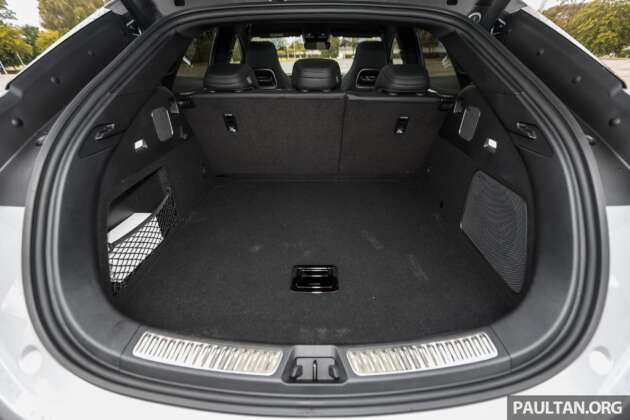
At 4,830 mm long, 1,925 mm wide and 1,620 mm tall with a 2,930 mm wheelbase, the Sealion 7 is actually larger than a Tesla Model Y in every key dimension – notably a 39 mm longer wheelbase, which helps rear-seat space.
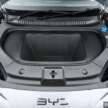
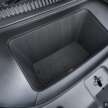
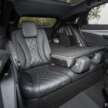
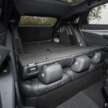
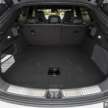
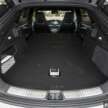
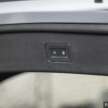
Boot space is 500 litres with the rear seats up, expanding to 1,769 litres folded, and there’s a handy 58-litre frunk up front for charging cables. The coupe roofline costs a little outright height versus a boxier SUV, but practicality is competitive for the class.
Interior and equipment
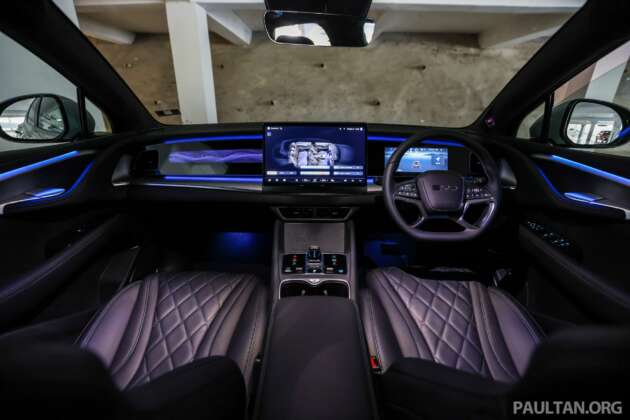
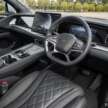
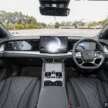
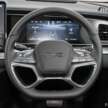
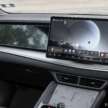
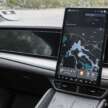
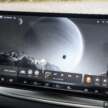
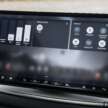
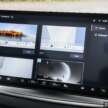
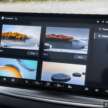
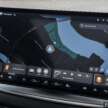
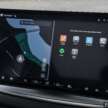
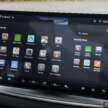
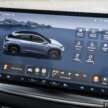
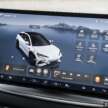
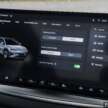
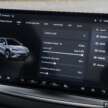
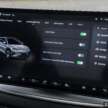
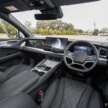
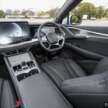
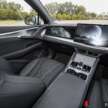
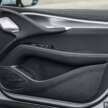
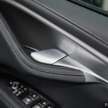
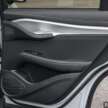
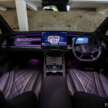
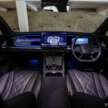
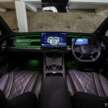
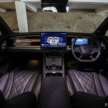
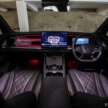
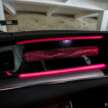
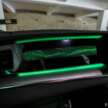
The cabin is one of BYD’s slicker efforts, built around a double-layer dashboard that integrates a 10.25-inch digital instrument cluster and an illuminated passenger panel, plus the brand’s trademark 15.6-inch rotating central touchscreen.
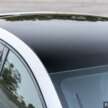
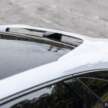
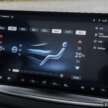
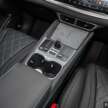
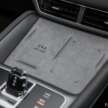
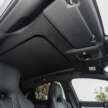
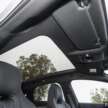
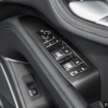
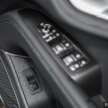
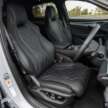
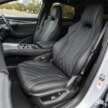
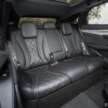
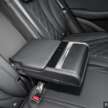
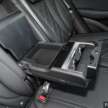
Both variants are generously equipped, with Nappa leather upholstery, a panoramic glass roof, double-layer acoustic glass for the windshield and front windows, dual-zone climate control, a 12-speaker Dynaudio sound system, a 50-watt wireless charger, wireless Apple CarPlay and Android Auto, four USB ports, a PM2.5 air purification system, an NFC key card, and eight-way powered driver and six-way powered passenger seats with heating and ventilation.


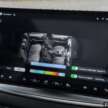
As is typical of BYD, the car has also picked up improvements via over-the-air updates since launch, including wireless CarPlay and gesture-based air-con controls.
The Sealion 7 has 3.3 kW V2L support so powering your AC appliances from the car’s battery for leisure or during emergencies is no issue.
Safety
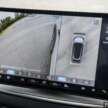
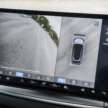
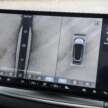
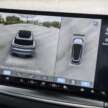
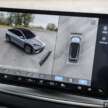
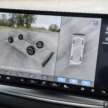
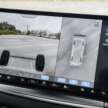
The Sealion 7 comes well-stocked on safety, with nine airbags (including front-centre and side-curtain), a 360-degree camera, front and rear parking sensors, and a Level 2 ADAS suite covering adaptive cruise control, autonomous emergency braking (AEB), lane departure warning and prevention, lane keeping assist, front and rear cross-traffic alert and high-beam assist.
Colours
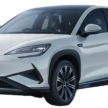
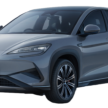
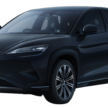
Four exterior colours are offered, common to both variants: Cosmos Black, Aurora White, Atlantis Grey and Shark Grey.
Running costs and 2026 considerations
The big change for 2026 buyers is road tax. EVs enjoyed full road-tax exemption only until the end of 2025; under the new EV road-tax structure that took effect on January 1, 2026, the Sealion 7 now attracts road tax – still modest, but no longer free, so factor it into your sums.
The Sealion 7 Premium’s road tax is RM335 based on its 230 kW motor power, while the Sealion 7 Performance road tax is RM965 based on its 390 kW motor power.
EVs continue to benefit from lower running costs overall, with cheaper “fuelling” from charging and reduced servicing versus a petrol SUV.
On the upside, BYD has consistently sweetened the deal through promotions rather than list-price cuts. Buyers have, at various points, been offered rebates – for example, up to RM10,000 off the Sealion 7 at a 2025 expo – along with home-charger bundles and charging credits. It’s always worth asking what’s currently on the table.
Ownership confidence is a genuine strength here. BYD is the number-one EV brand in Malaysia, having passed 20,000 units delivered, and it runs the widest EV sales and service network in the country.
How it compares to the Tesla Model Y, Xpeng G6 and Zeekr 7X

The Sealion 7’s natural target is the Tesla Model Y and it undercuts the Tesla on price, and the Performance AWD’s 530 PS and 4.5-second sprint give it serious pace.
Where Tesla leads is its Supercharger network, software polish and a focus on efficiency.
The BYD counters with more standard equipment, Blade-battery safety credentials and a much wider local service footprint. BYD also has V2L support on both models as standard, while the Model Y only has V2L on the top of the range Y L.

The other rival worth weighing up is the Zeekr 7X, a similarly-sized electric SUV gunning for exactly the same buyers.
On price the two are line-ball at the entry point – the Zeekr 7X RWD Standard is RM182,800 (updated for 2026) against the Sealion 7 Premium’s RM183,800 – but the Zeekr brings more power (421 PS vs 313 PS) for the same 480 km WLTP range, and offers a 100 kWh Long Range version (615 km WLTP, RM193,800).
The Sealion 7 hits back at the top of the range, where its 530 PS Performance AWD at RM199,800 dramatically undercuts the Zeekr’s 646 PS AWD Performance at RM230,800, and on the reassurance of BYD’s far larger sales and service network and its proven Blade LFP battery.
In short, the Zeekr 7X is the more tech-forward, faster-charging pick, while the Sealion 7 leans on value, performance-per-ringgit and aftersales peace of mind.
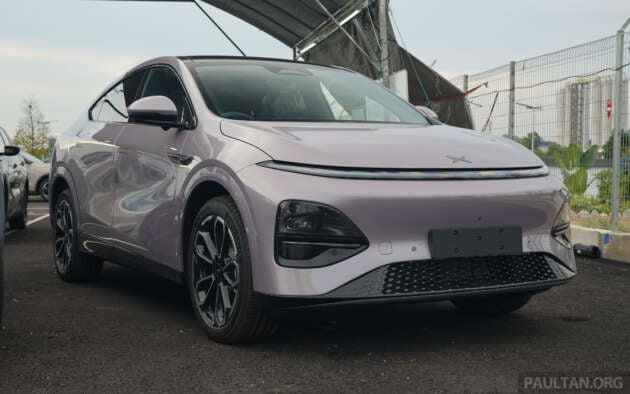
Spend Sealion 7 Premium money and you’re into the RWD Long Range Pro (RM180,013, 296 PS, 525 km), which out-ranges the BYD, while the 487 PS Performance AWD (RM191,523) actually undercuts the Sealion 7 Performance and is quicker to 100 km/h (4.13 versus 4.5 seconds).
The G6 piles on the kit, too – Nappa leather, massaging front seats, a 16-speaker stereo and Xpeng’s XPilot assists – and includes a five-year free maintenance package.
The Sealion 7’s counters are by now familiar: BYD’s far larger sales and service network, the Blade LFP battery’s safety reputation, and the reassurance of being Malaysia’s best-selling EV brand. One to watch, though – the G6 has just begun local CKD assembly, which could improve its pricing even further.
| Specification | BYD Sealion 7 | Zeekr 7X | Xpeng G6 | Tesla Model Y |
|---|---|---|---|---|
| Variants and price | Premium RWD RM183,800; Performance AWD RM199,800 | RWD Standard RM182,800; RWD Long Range RM193,800; AWD Performance RM230,800 | RWD Standard Range RM159,948; RWD Long Range Pro RM180,013; AWD Performance RM191,523; AWD Black Edition RM195,523 | Standard Range RWD RM195,450; Long Range RWD RM216,450; Long Range AWD RM242,450 |
| Drivetrain | RWD or AWD | RWD or AWD | RWD or AWD | RWD or AWD |
| Power | 313-530 PS | 421-646 PS | 252-487 PS | Not quoted |
| 0-100 km/h | 4.5-6.7 s | 3.8-6.0 s | 4.13-6.94 s | 4.8-5.9 s |
| Battery | 82.56 kWh LFP | 75 kWh LFP or 100 kWh NMC | 68.5 or 80.8 kWh LFP | Not quoted |
| Range (WLTP) | 454-480 km | 480-615 km | 480-525 km | 466-661 km |
| Architecture | 400V | 800V | 800V | 400V |
| Max DC charging | 150 kW | 420-450 kW | 382-451 kW | 175-250 kW |
| Max AC charging | 11 kW | 22 kW | 11 kW | 11 kW |
So, should you buy one?
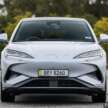
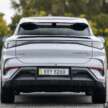
In 2026, the BYD Sealion 7 remains a compelling premium EV SUV – especially in Premium RWD form, which delivers the longest range, ample performance and the full equipment list for RM183,800. It’s the pick of the two unless you really want the Performance’s dual-motor pace.
With sharp pricing, frequent promos, a big, well-supported dealer network and a roomy, well-built cabin, the Sealion 7 is one of the more rounded ways to go electric in this segment – and the fact that BYD has become Malaysia’s best-selling EV brand suggests plenty of buyers have already reached the same conclusion.
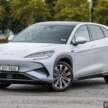
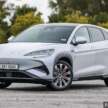
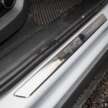
GALLERY: BYD Sealion 7 Premium Extended Range


GALLERY: BYD Sealion 7 Performance AWD


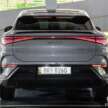
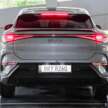
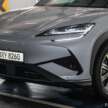
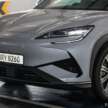



The post BYD Sealion 7 buyer’s guide – a 2026 look at the RM184k EV SUV in Malaysia, Premium vs Performance appeared first on Paul Tan’s Automotive News.
